GenAIedTech: From Human to Machine
From Needs to Solutions
GenAIedTech focuses on three phases: the creation and analysis of materials, the planning of the learning experience, and its implementation. In the first phase—where the project is currently positioned—the needs of companies are identified: how they use AI and which pain points they face. The next phase will follow from 2026 onwards. Six people are working on the project, engaging in conversations with companies, identifying problem areas, and developing tailored solution approaches and offerings.
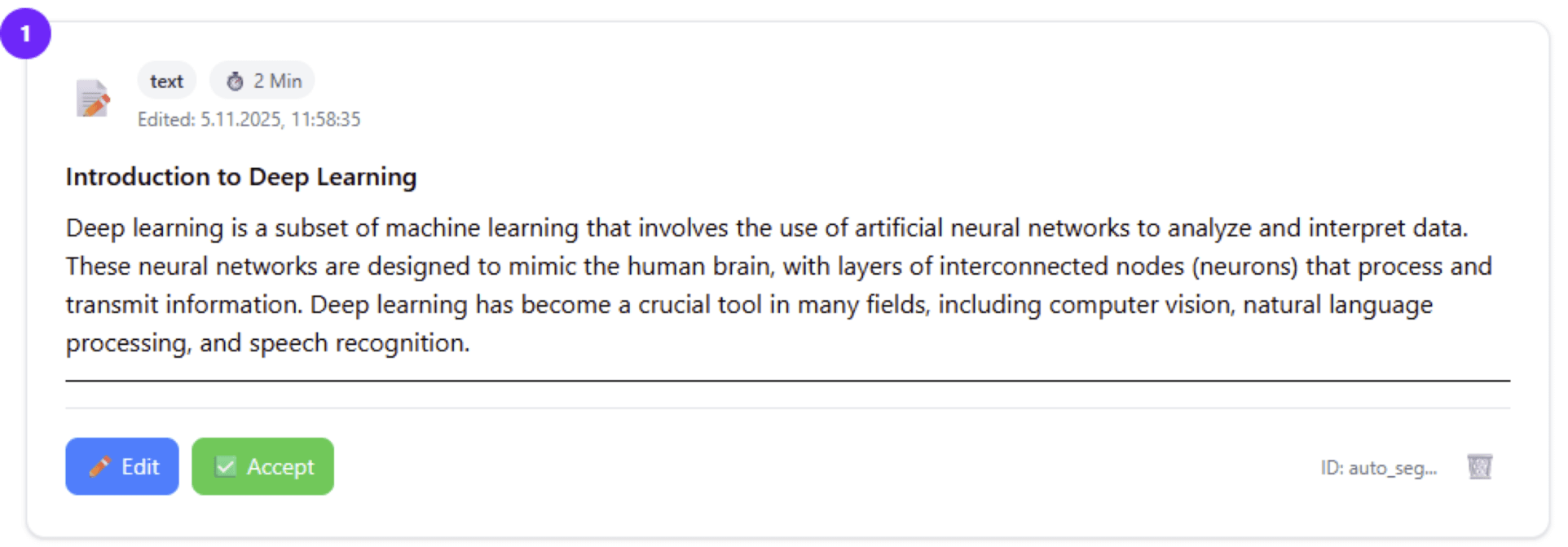
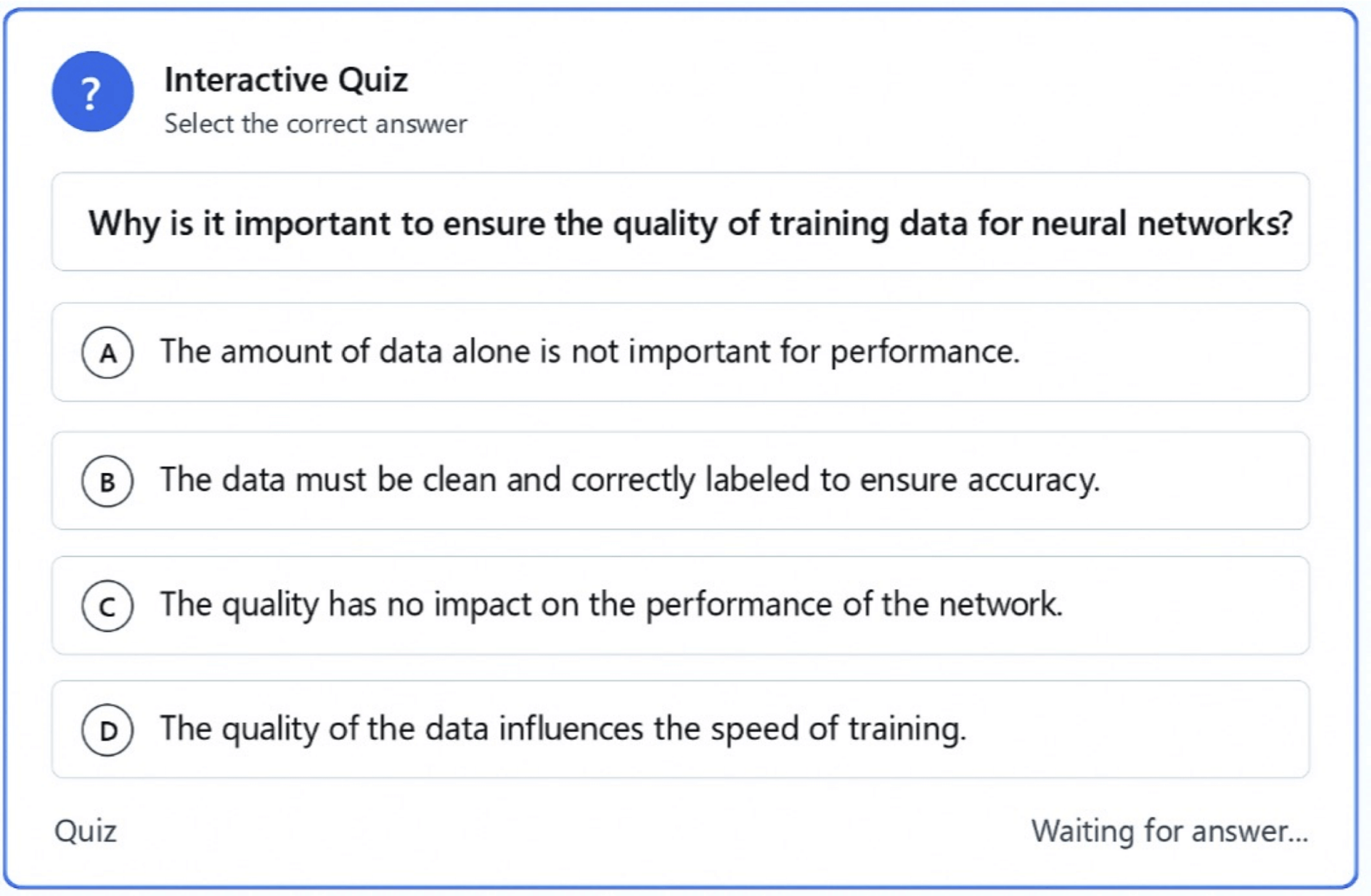
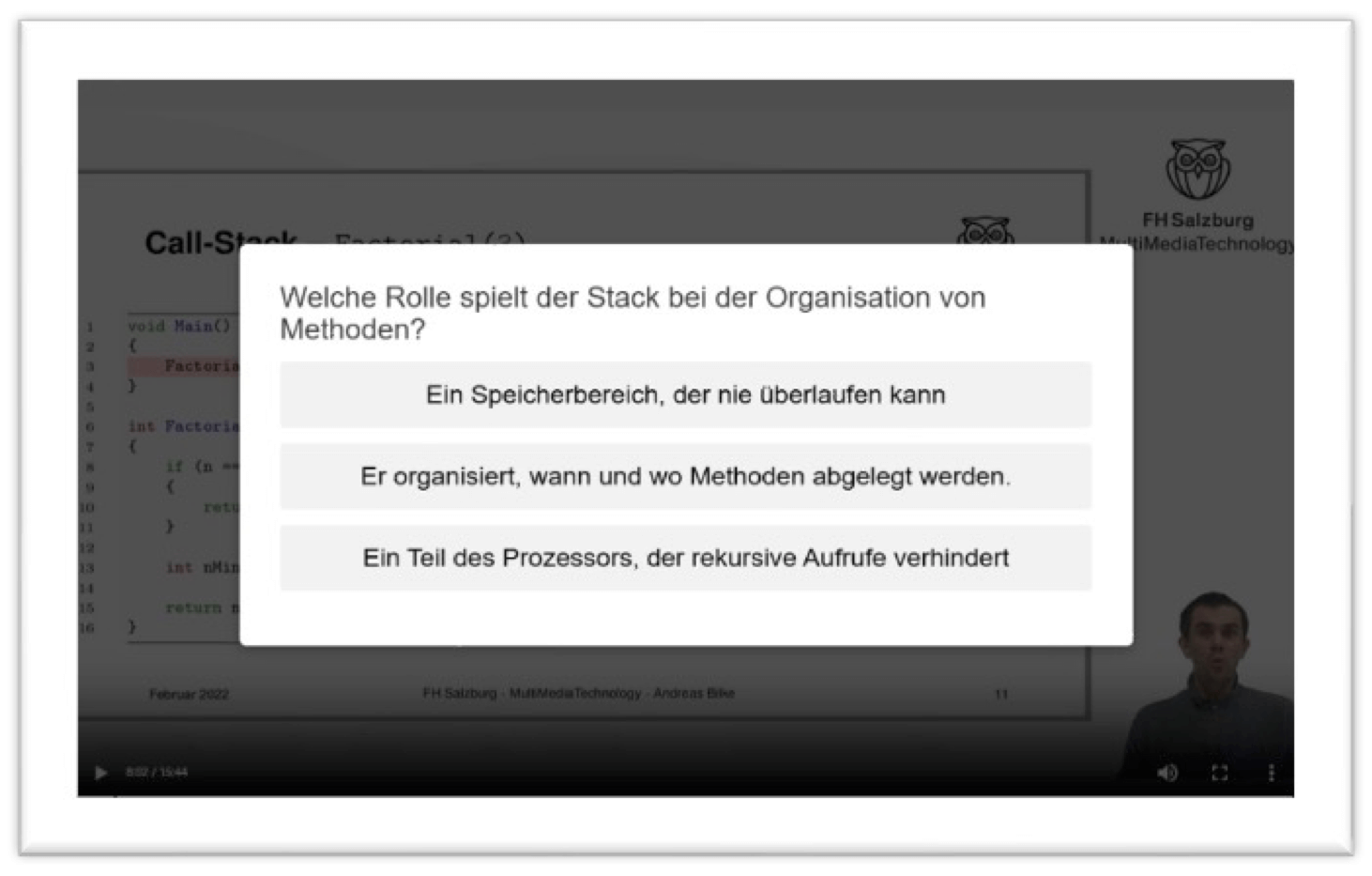
A prototype already exists as well: an interactive workflow in which users simply describe what they need, and the AI immediately generates suitable learning units. “Nevertheless, as a human you still need to carefully review the content and design the learning pathway yourself, because responsibility remains with you,” says Tatzgern. At present, humans still have a better overall understanding of how learning pathways need to work within an organization. However, AI can suggest additional didactic elements—such as a quiz for a learning unit—and generate these as well.
Three Common Challenges
Initial discussions already show that three areas in particular offer significant potential for optimization: documentation, product-specific development, and communication and marketing. One example is multilingual content for images and videos. “When text on images is translated, gaps often appear—this is where we rely on models such as Google’s Nano Banana, which work well for this purpose.”
Quality assurance is especially critical in all cases. To avoid hallucinations, reliability scores are calculated and visualized so that users can assess for themselves how trustworthy an AI-generated result is. What the final outcomes of the project will be remains to be seen. However, initial company projects have already been implemented, and their results have been integrated into productive workflows within organizations. Best practices from the research will be published on the website, making these valuable insights accessible to a wider audience.
Short Interview with Markus Tatzgern

Does GenAIedTech aim to generally empower companies to work more effectively with AI?
Essentially, yes. With each of these projects, companies naturally gain new knowledge and experience. One of the motivations was also that many SMEs simply do not have the resources to conduct extensive research on their own—this project gives them the opportunity to connect and participate.
What does the project contribute to the EdTech scene beyond the applications and solutions that already exist?
We conduct research at the intersection of generative AI and EdTech, exploring solutions that are not yet available on the market. We develop prototypes, validate them scientifically, and carry out studies with users.
Can companies currently approach you to actively participate in the project?
Yes, absolutely. In principle, any company can contact us that uses or develops AI solutions and encounters limitations or challenges along the way. We are open to everyone—both nationally and internationally.

More articles
The following articles might also interest you.

Digital does not automatically mean accessible
10. February 2026

Digital Roadshow: Learning Apps Marketplace
18. December 2025

AR, VR and XR: Shaping Learning through Virtual Worlds
30. June 2025
EdTech for all, all for EdTech – shaping the world of education together
18. June 2025
Real-World Practice Meets Innovation: The Fourth EdTech Austria Summit
3. June 2025