Looking back at the EdTech Austria Fellowship 2026
Nine EdTech teams from six Austrian federal states, plenty of new insights and valuable connections: The second edition of the EdTech Austria Fellowship has come to an end. We take a look at what the fellows have achieved and what comes next.
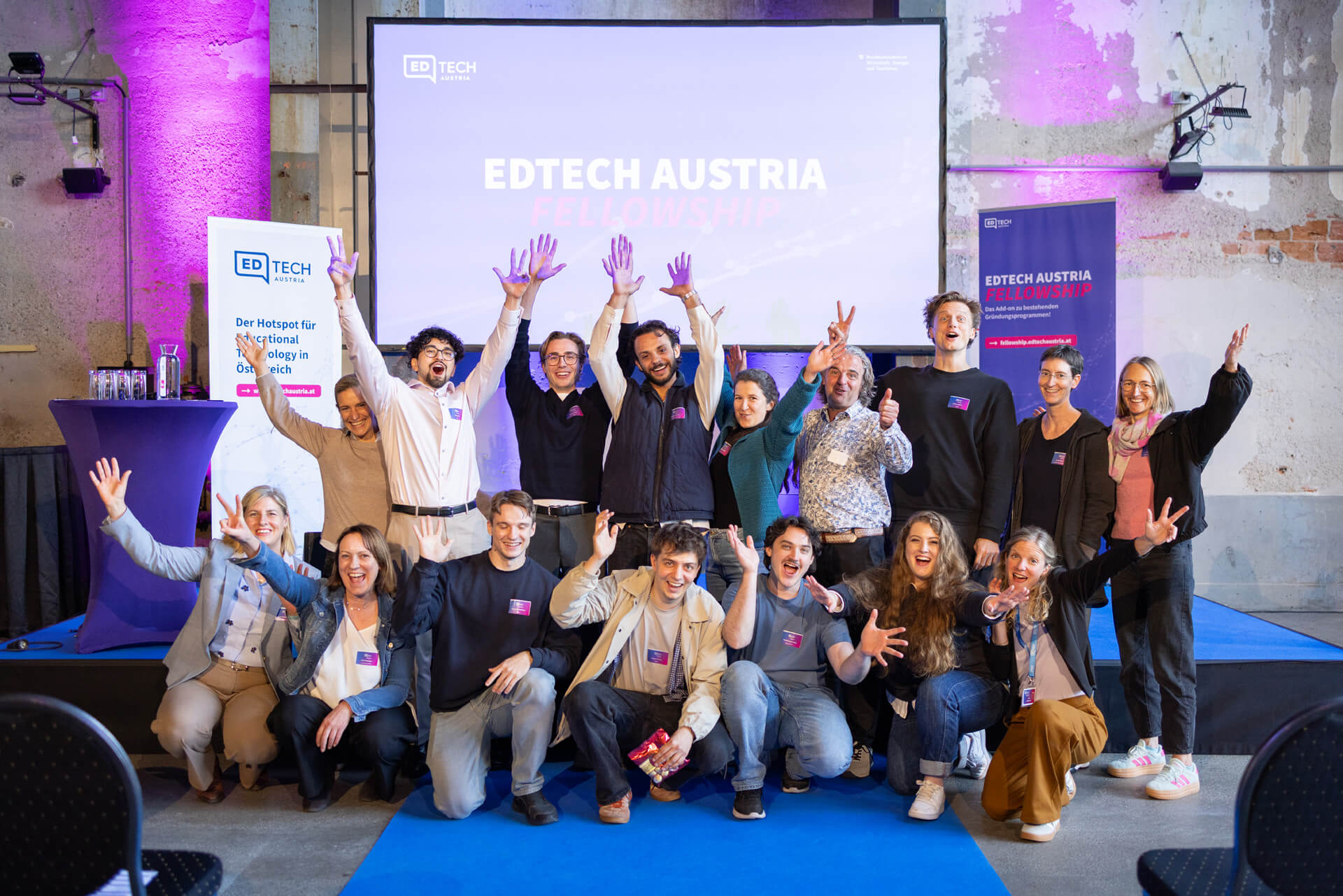
Moving Forward Together: What Made the Second Edition Special
Throughout the program, the fellows further developed their educational technologies, refined their business models and gathered feedback from educational practice. The program concluded at the EdTech Austria Summit in Hallein, where the teams presented their solutions and pitched on stage. Lernly, Palino and ivi took the top three places.
Networking also made a difference: Levio and Competence Works jointly founded the EdTech Vienna Stammtisch, which now continues as the EdTech Austria Stammtisch – Vienna Edition.
Constanze Stockhammer, a coach in the Fellowship program, observed the teams’ progress: “Above all, I saw how much clearer and more confident the teams became over the course of the program about what they wanted to achieve, who they were doing it for and how to get there.” Mentor Andy Gstoll noticed the same development: “It was impressive to see how much their focus sharpened over the months. What started as a rather vague idea evolved into a crystal-clear, market-ready concept.”
Nine Fellows, Nine Different Journeys
The nine fellows’ ideas were as diverse as education itself. We introduce the teams and explore how their projects evolved during the program.
Audiolie: Learning Through Listening and Play
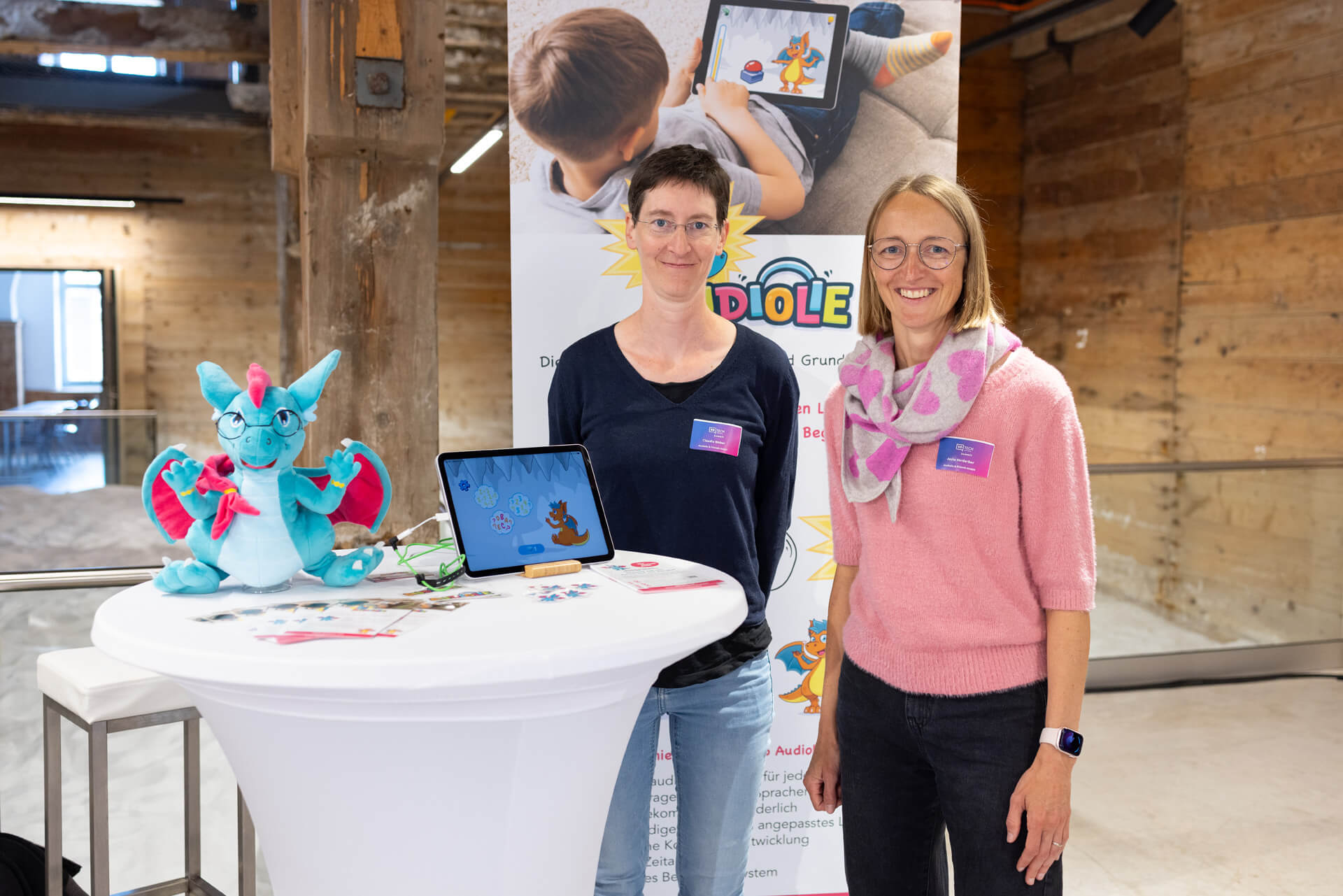
Audiolie is a learning app for preschool and primary school children. Using audio-based activities and speech recognition, it helps children practise mental arithmetic, listening and language skills.
For Claudia Weber and Anita Verderber from Carinthia, exchanging ideas with educators was particularly valuable. At EDUdays in Krems, they received feedback from teachers for the first time. “That was incredibly motivating for us,” says Anita Verderber.
Since then, the team has founded Audiolie & Friends GmbH and joined the EdTech Austria network. Together with Graz University of Technology, they are developing child-friendly speech recognition technology. Their next goal is to bring a market-ready app to life.
Competence Works: Making Skills Visible
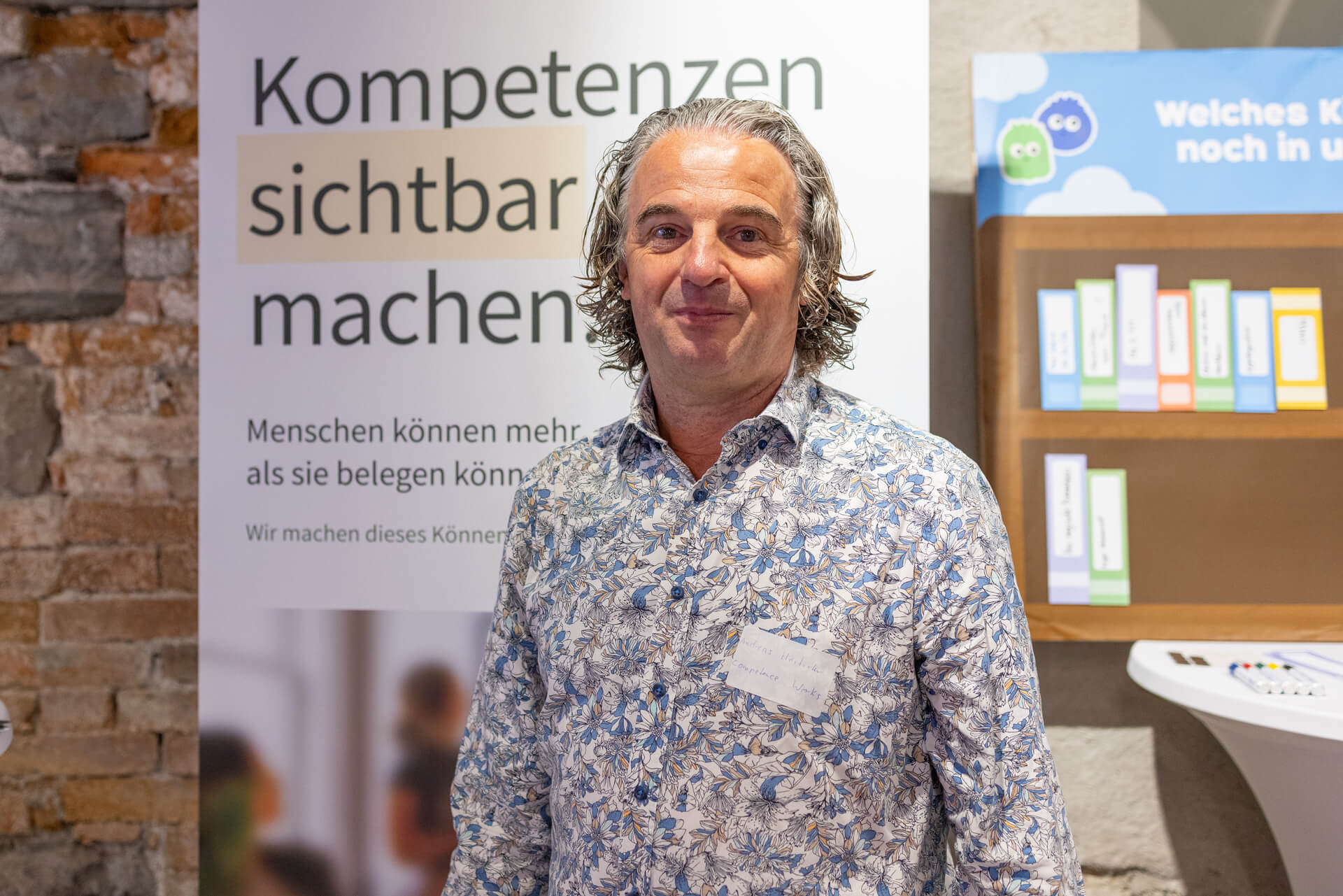
Competence Works makes skills visible and verifiable, regardless of where or how they were acquired. This helps educational institutions, businesses and recruitment agencies work together more effectively.
The Vienna-based team consists of Andreas Hörfurter, Ursula Neulinger and Daniel Pasterk.
Document Accessibility: Making Digital Content Accessible to Everyone
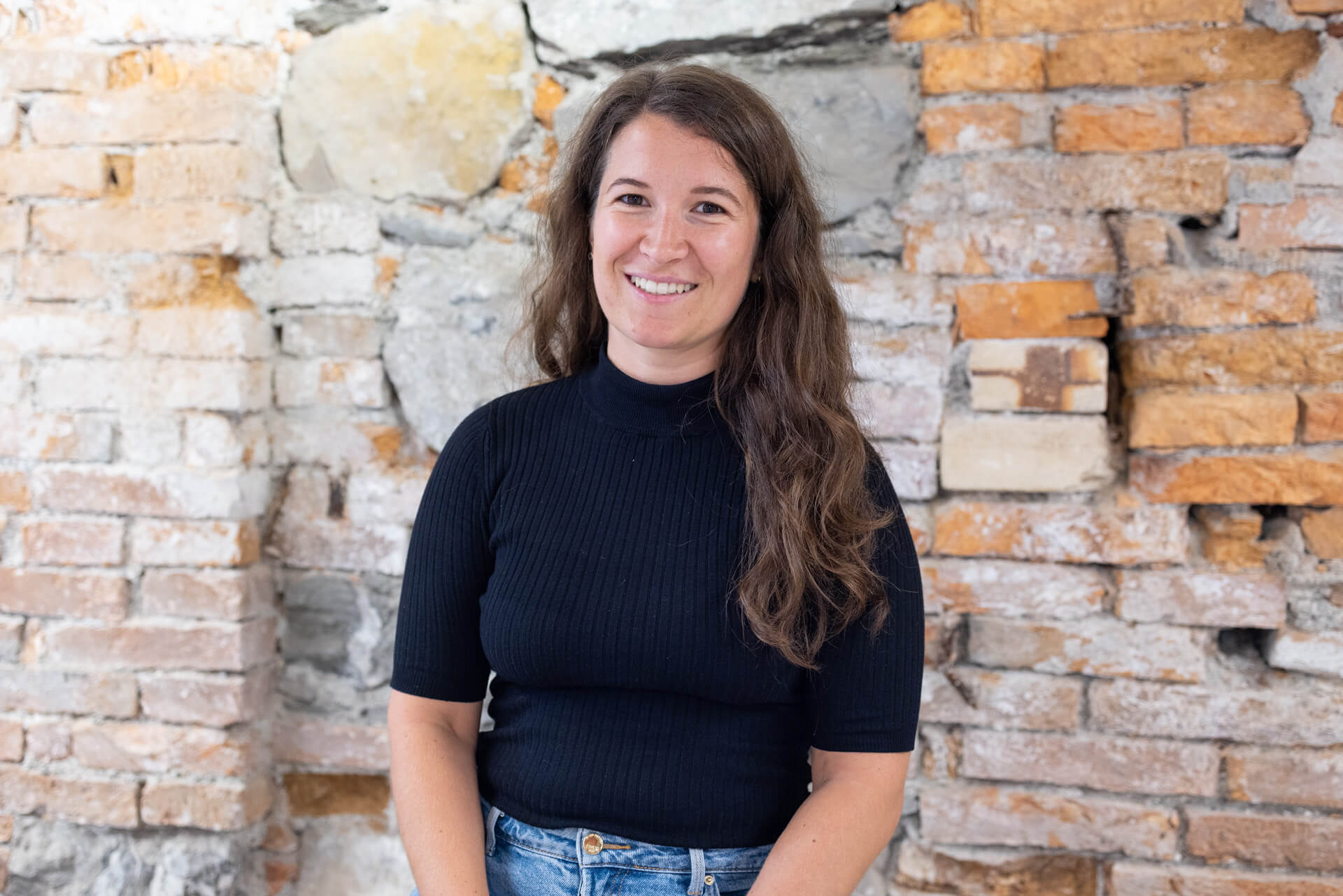
Document Accessibility automatically converts PDF documents into accessible, customisable web views, making digital content easier to use for people with different reading and learning needs.
For founder Dorothea Paulowitsch from Vienna, the Fellowship brought greater clarity: “The most valuable insight was realising that we needed more focus. We learned to make clearer distinctions: Who does what – and why?” The team developed its first prototype and now plans to refine the solution together with users before moving into business-to-business sales.
ivi: Learning Languages Through Interactive Audio Stories
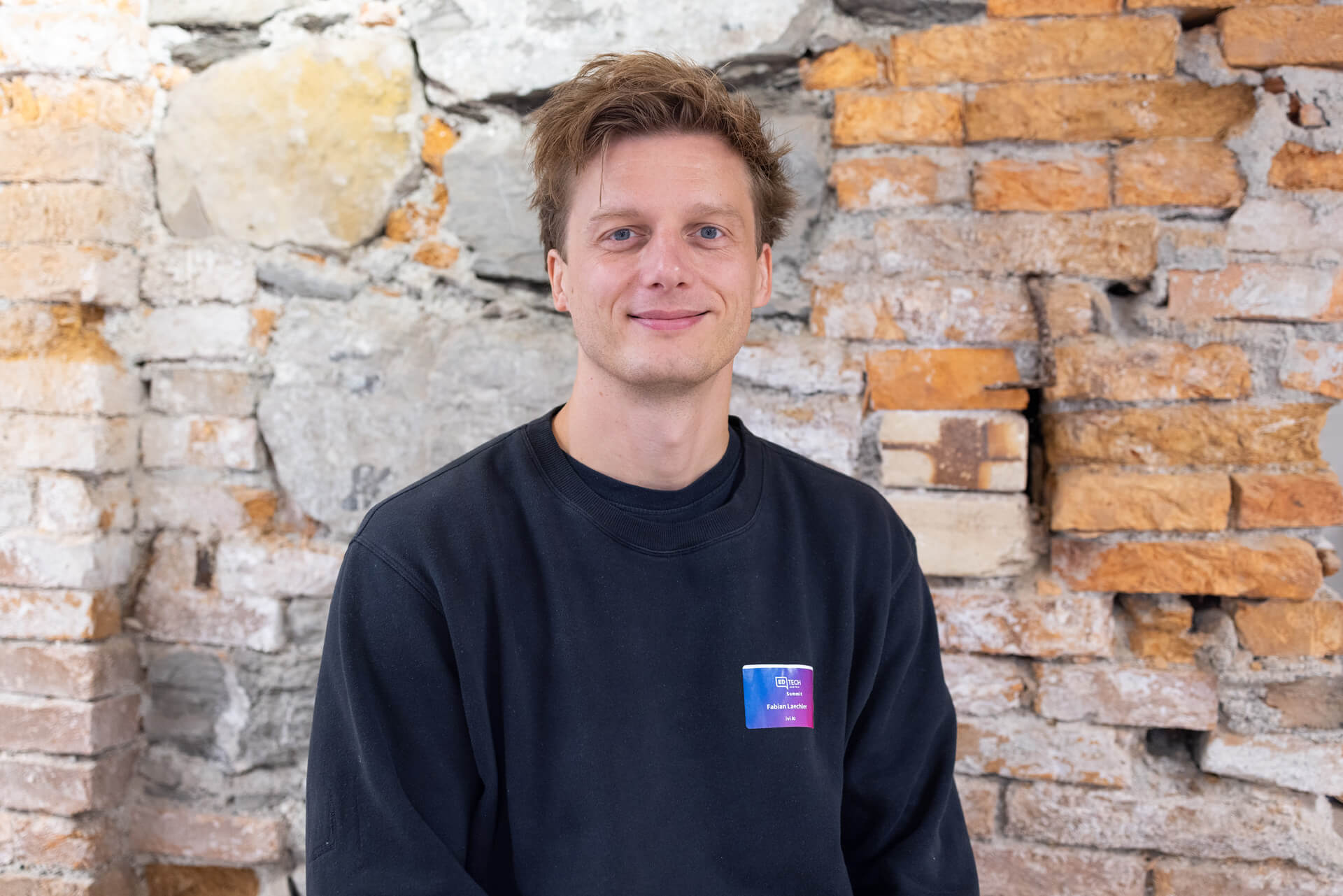
ivi is an AI-powered language tutor that helps children learn languages through play, without a screen. In interactive audio stories, children answer questions, make decisions and expand their vocabulary along the way. ivi was founded by Fabian Lächler and Daniil Serko from Tyrol.
Lernly: Turning German Language Learning into an Adventure
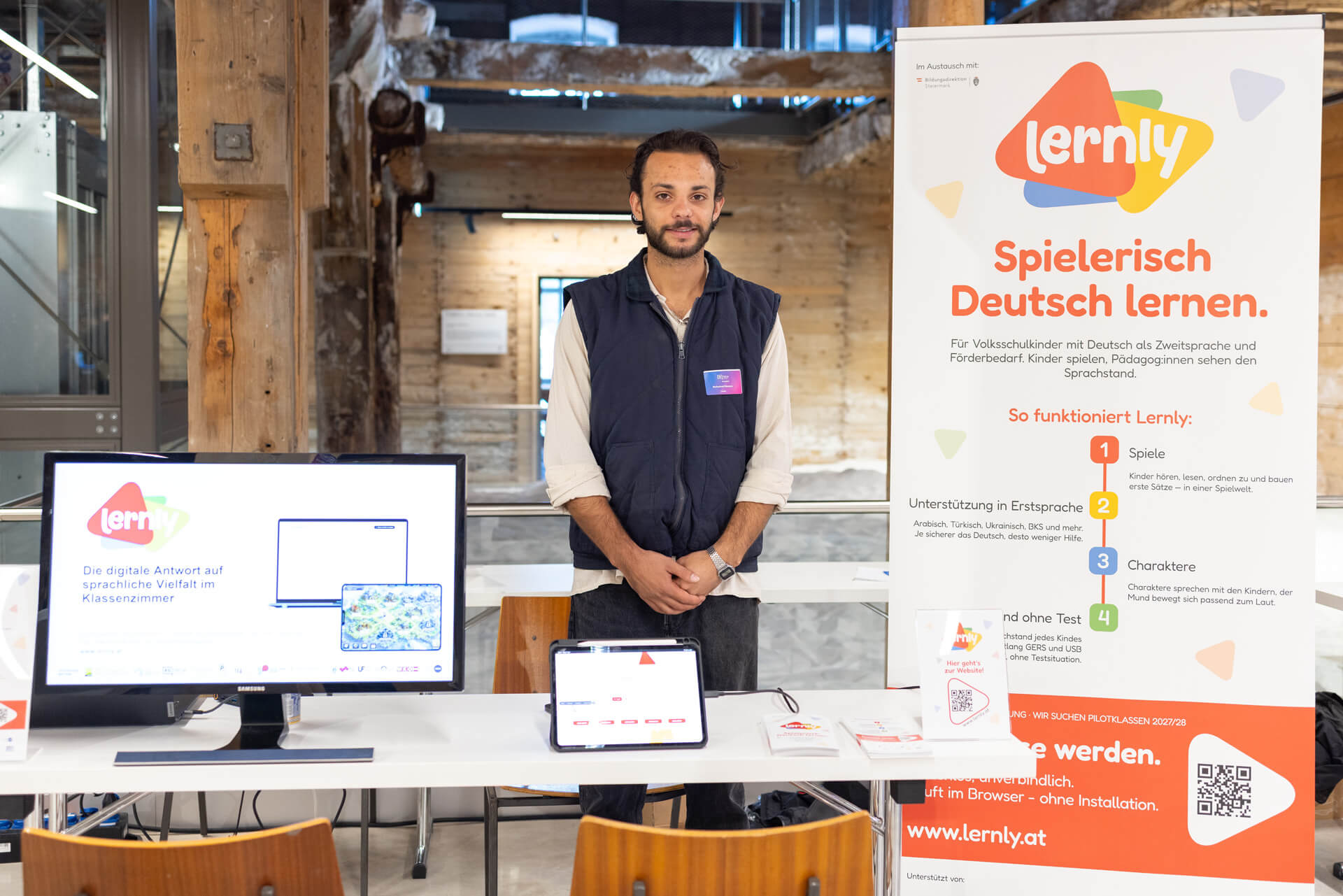
Lernly supports children learning German as a second language through a digital learning game. As they play, children develop their vocabulary, sentence structure and academic language skills.
For the team around Musa Müller, Mohamed Moussa and Claudia-Elena Pregartner from Styria, the Fellowship provided valuable insights into the education market and support in further developing their product. A major milestone was securing aws Preseed funding, with EdTech Austria continuing to support the team beyond the Fellowship. “The aws Preseed funding started almost seamlessly after the Fellowship ended. We now know exactly what our second prototype needs to deliver, and we are working towards a pilot phase with several schools,” says Musa Müller.
Levio: Enabling Personalised Learning Pathways
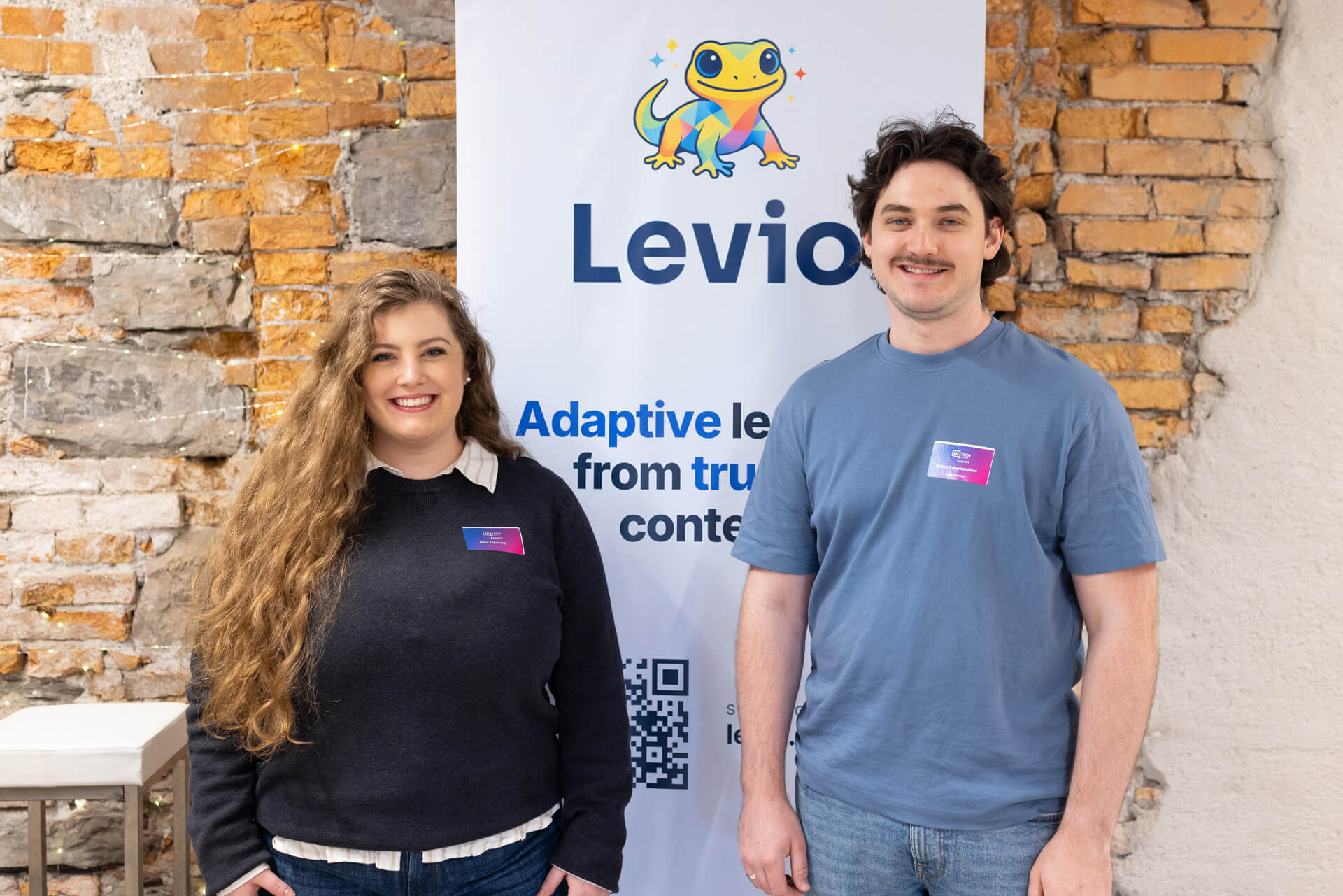
Levio adapts verified learning content to learners’ prior knowledge, learning pace and individual needs. This allows learners to take different paths towards the same learning goal.
For the Vienna-based team around Alina Taborsky and Maxim Dvoynishnikov, the sense of community within the Fellowship was particularly valuable: “At the kick-off weekend, we experienced for the first time just how many amazing people are working with the same conviction and energy to improve education. It also gave us a completely new understanding of just how fundamental this field really is,” says Alina Taborsky.
Product development is also progressing. Initial pilots demonstrated how learners can reach the same learning goal through different pathways. Levio is now testing this approach in additional learning environments while preparing to enter the market.
Odeq: Rethinking How Medical Knowledge Is Prepared for Learning
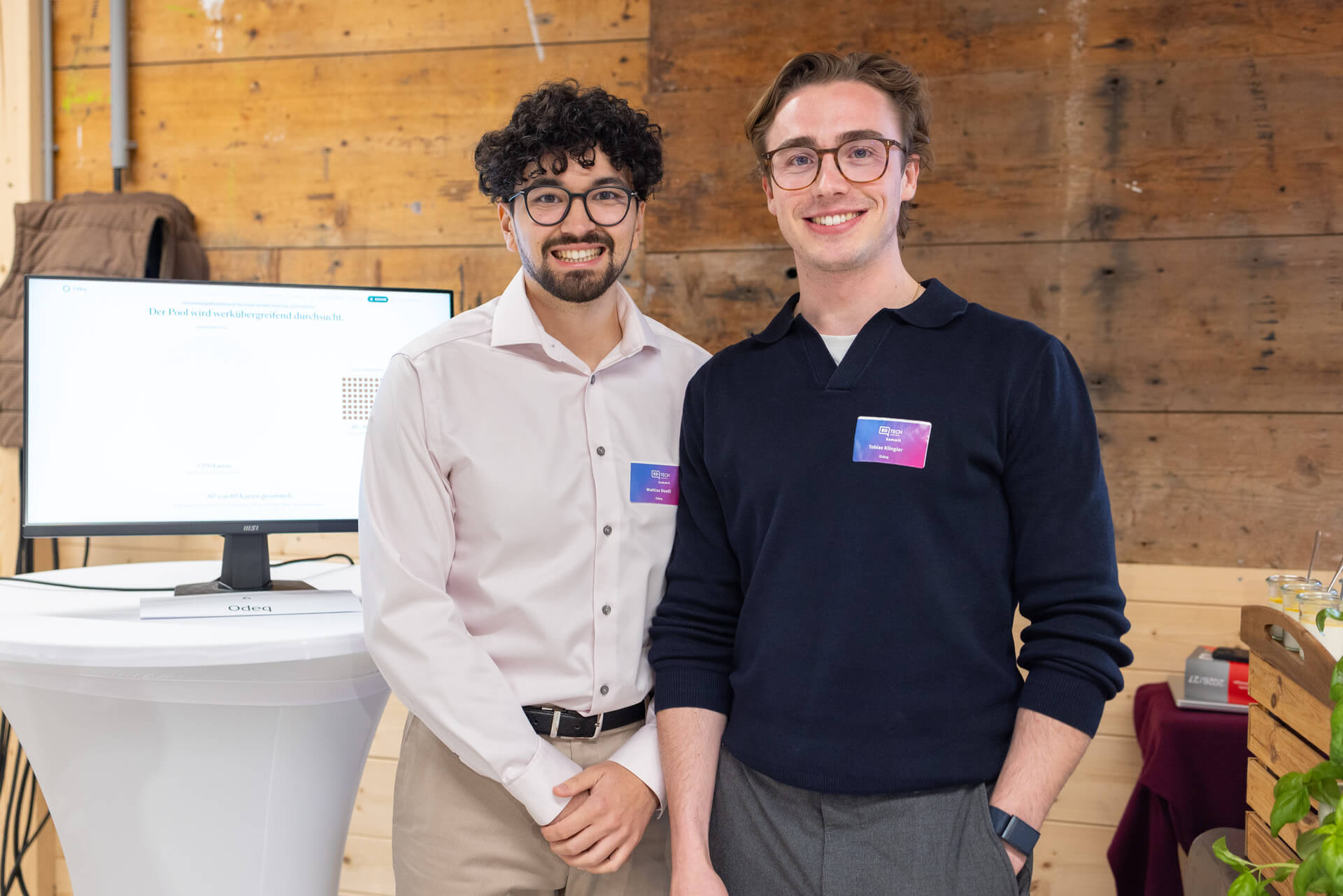
Odeq uses AI to create, review and update digital flashcards based on medical content.
During the Fellowship, Mattias Duelli and Tobias Klingler from Tyrol refined their business idea and particularly benefited from the network. “The Fellowship connected us with the right people at exactly the right time,” says Mattias Duelli. The team developed its first working prototype and is now working towards testing the solution with medical experts and raising awareness of the platform.
Palino: A Digital Reading Buddy for Children
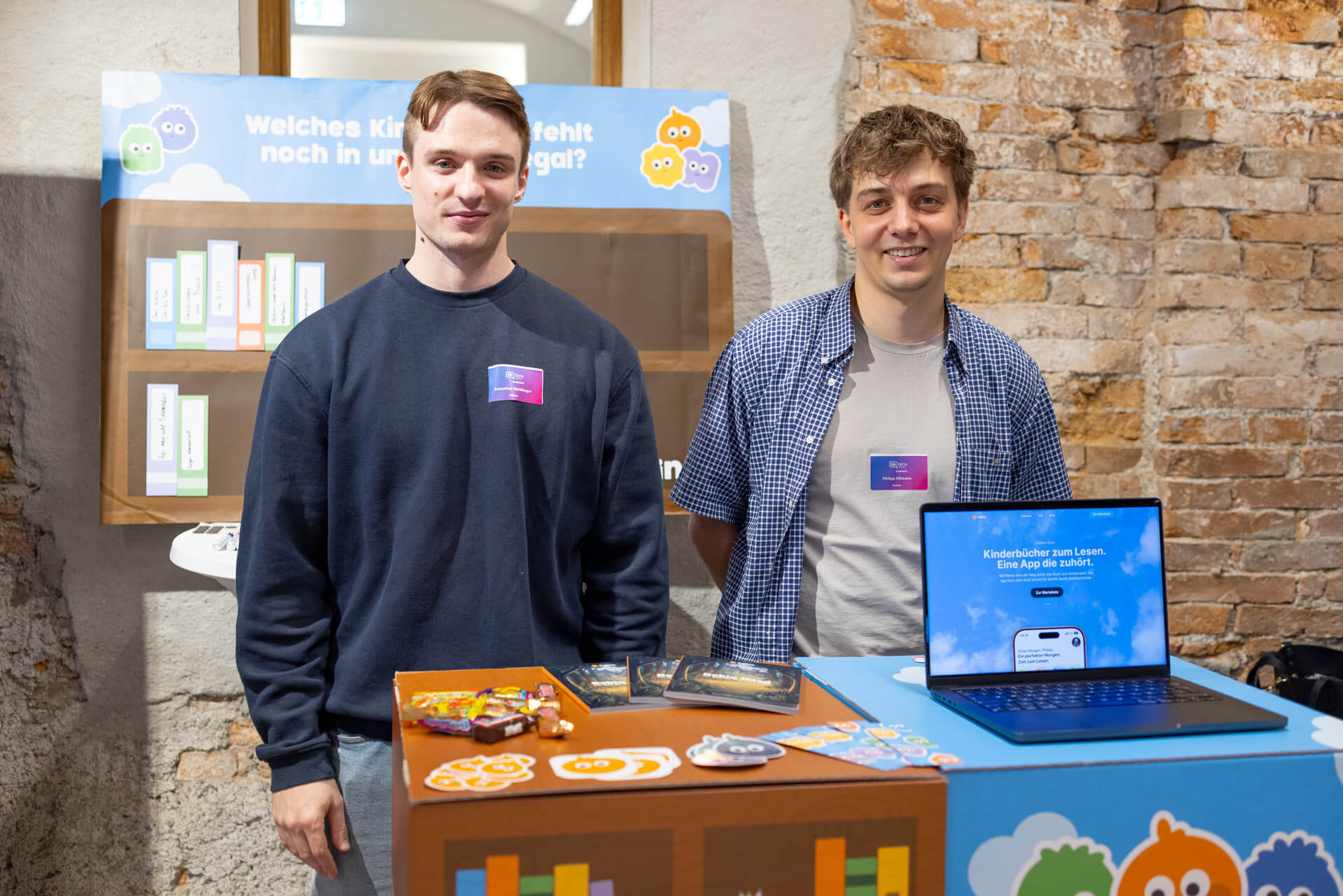
Palino supports primary school children as they read real children’s books. Using speech recognition, the app tracks reading progress and provides personalised feedback.
During the Fellowship, Sebastian Weidlinger and Philipp Ollmann from Upper Austria learned how to test product ideas at an early stage: “As a developer, you often want to start building straight away. But these tests help us recognise much earlier whether we’re developing something that misses the users’ actual needs. This allows us to create something that motivates children and supports them in learning to read in the long term,” explains Sebastian Weidlinger.
The team also welcomed primary school teacher Helena Ratzberger, who brings educational expertise to the project. Next, families will have the opportunity to test Palino in everyday life. Anyone interested can join the waiting list on the startup’s website.
Projektra: Learning Through Real-World Projects
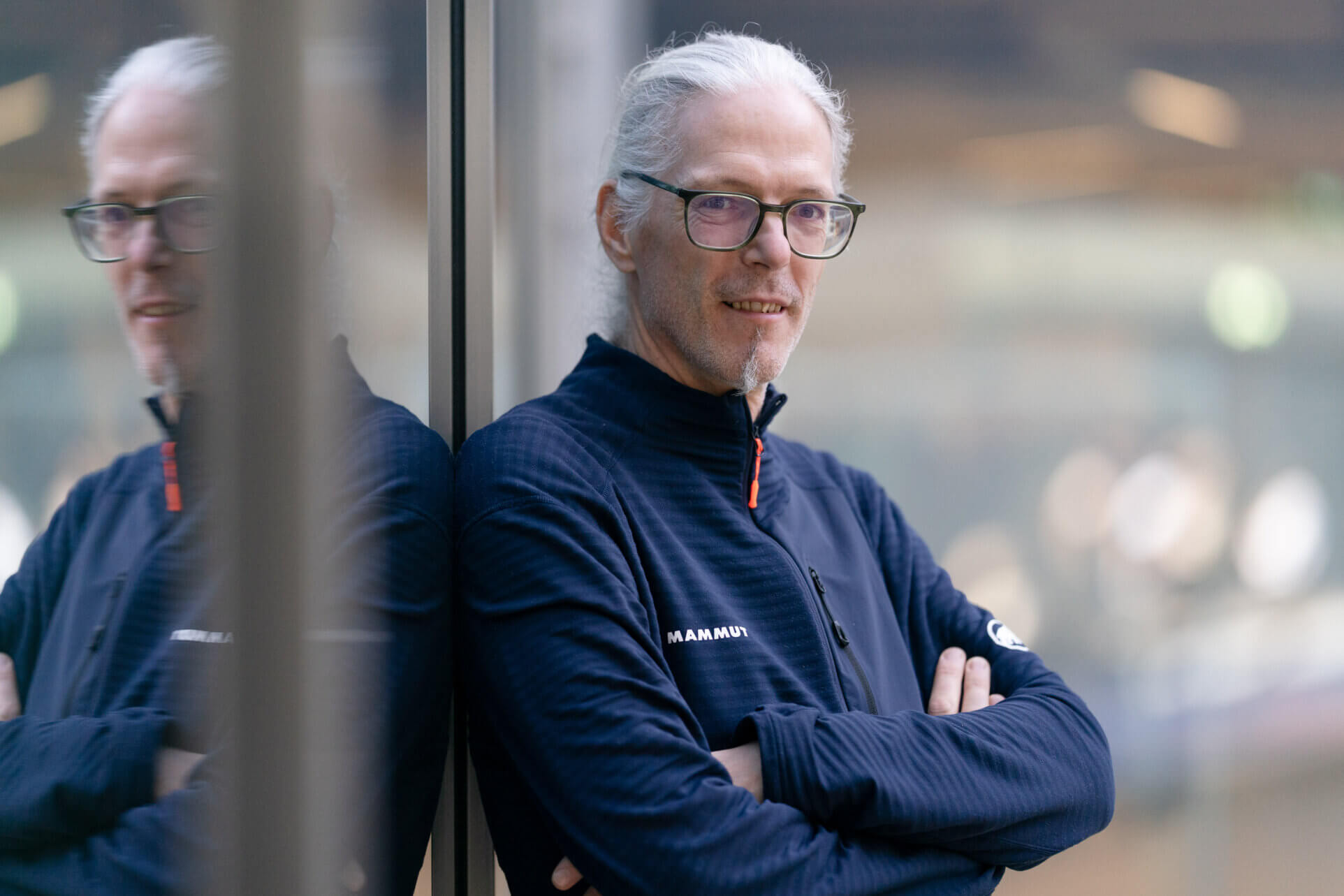
Projektra helps teachers manage project-based learning and supports students in developing important skills for the future.
For founder Roland Dunzendorfer from Lower Austria, the Fellowship offered valuable insights into the education market. Applying to Marktplatz Lernapps also proved to be an important learning experience: “Even though this application was not successful, the feedback was so positive that it encouraged me to keep going,” says Roland Dunzendorfer. Roland now works as a teacher himself and uses his first-hand classroom experience to further develop Projektra.
Advancing Educational Technologies Together
The EdTech Austria Fellowship is funded by the Austrian Federal Ministry for Economic Affairs, Energy and Tourism (BMWET).
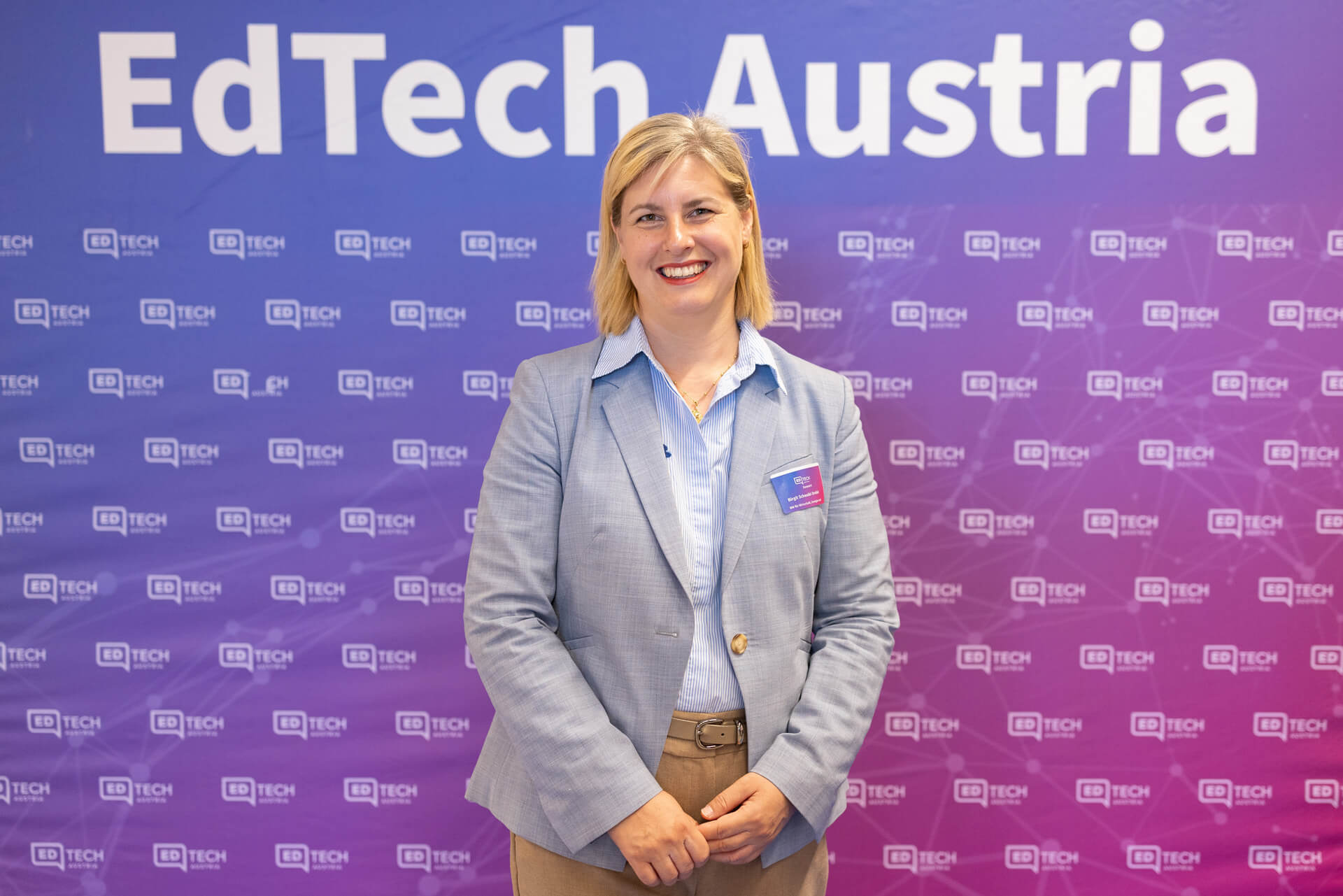
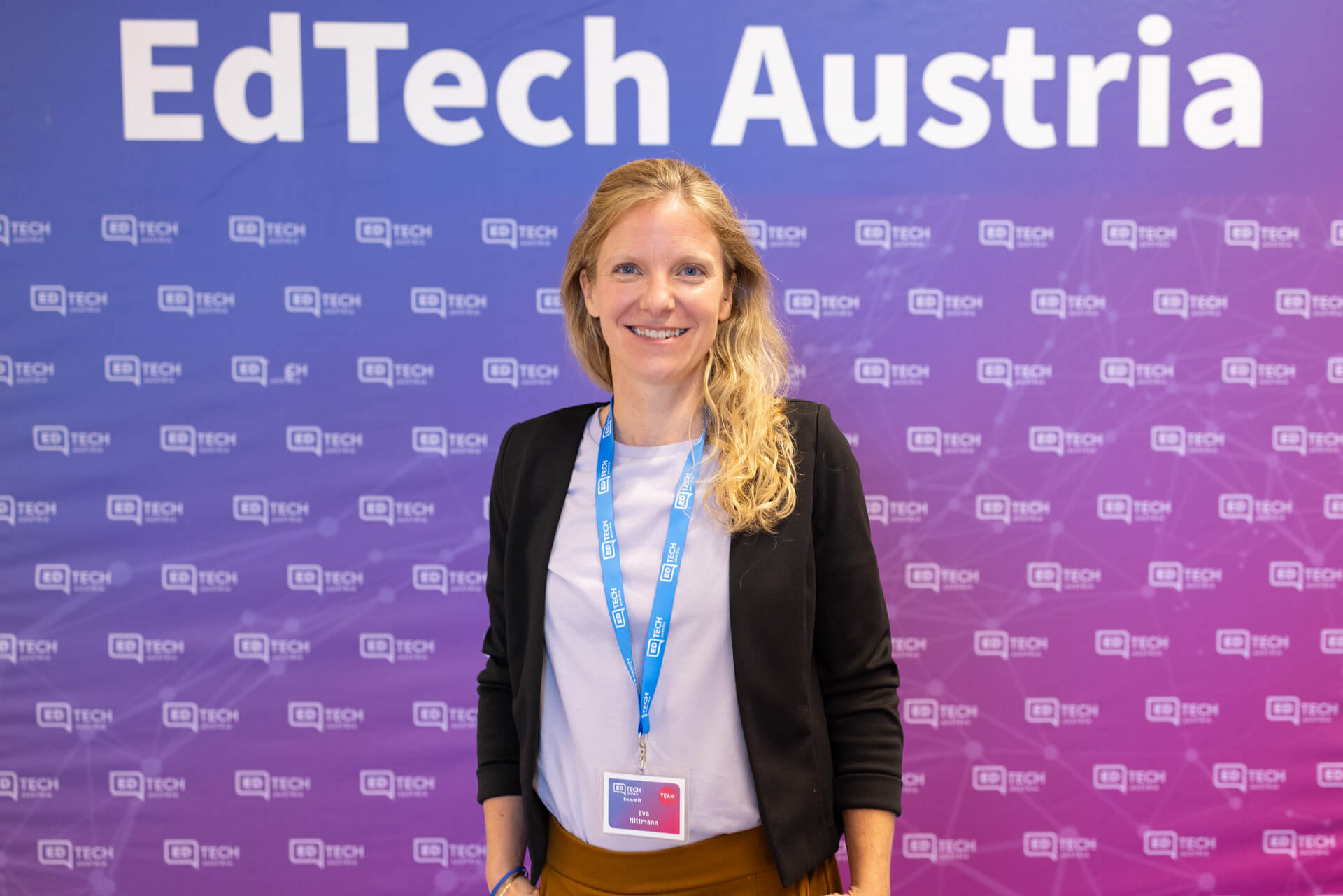
from BMWET highlights the program’s value for Austria as an innovation hub: “The EdTech Austria Fellowship connects innovative EdTech companies with educational practice, helping them test new solutions and bring them to market more quickly.” Eva Nittmann from EdTech Austria also draws a positive conclusion: “During the second edition, we saw just how much can be achieved when innovative ideas meet experience, honest feedback and a supportive network.”
Thank You!
A big thank you to all the fellows, mentors, coaches and partners who enriched the EdTech Austria Fellowship 2026 with their ideas, experience and commitment!

More articles
The following articles might also interest you.
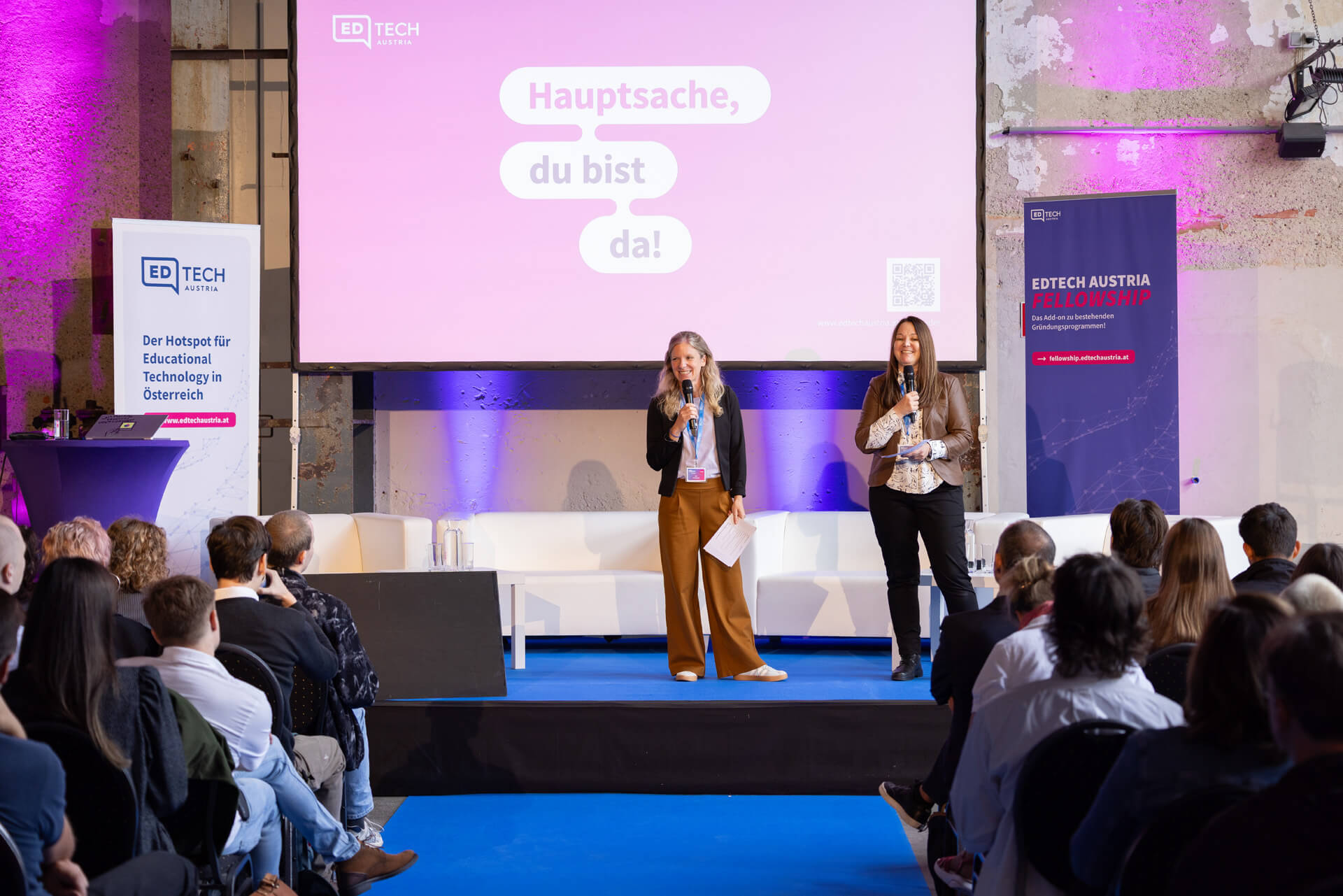
The Future of Learning Starts Today
8. October 2026
Our 2025 Impact Report is here
6. October 2026
Stronger together
17. September 2026
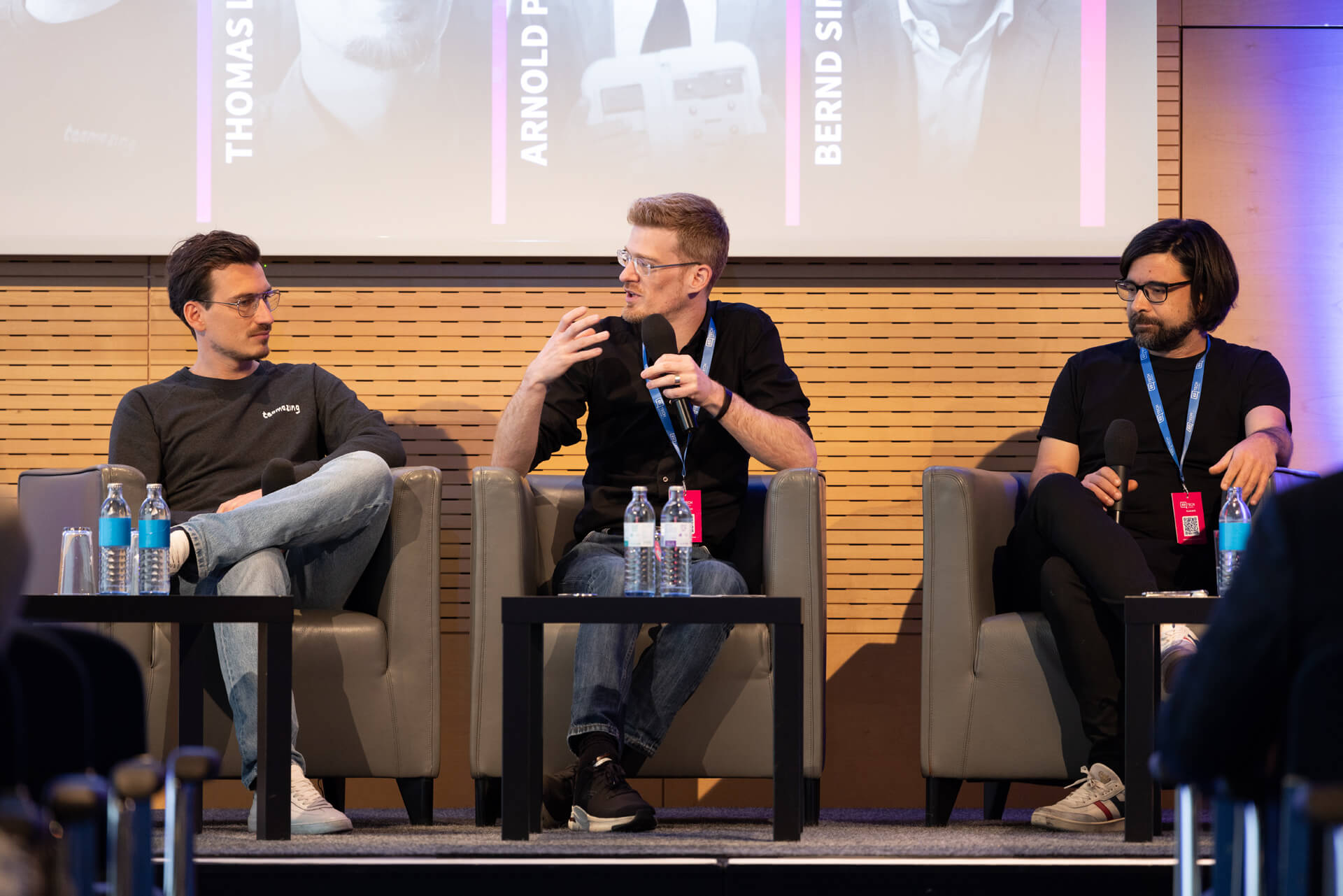
Companions and Catalysts: Polycular and EdTech Austria
4. August 2026

“The Digital Backlash is a Phase of Disillusionment”
13. July 2026