Companions and Catalysts: Polycular and EdTech Austria
The people we meet and the companions we have along the way shape who we become. The same is true for companies. So what kind of impact does EdTech Austria have? Polycular offers a compelling example of how a strong network can accelerate growth. But let’s start at the beginning…
From Studio to Product Company
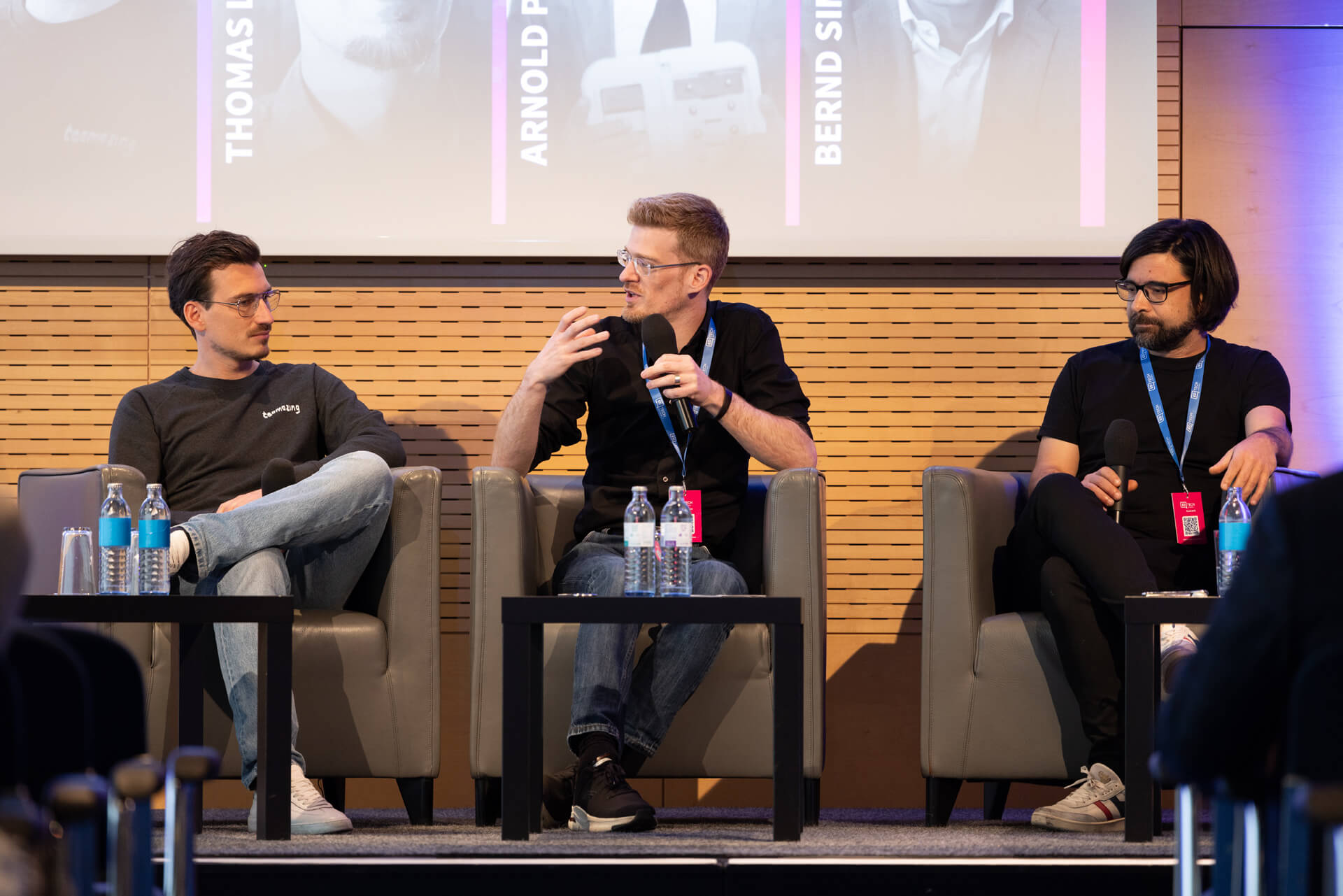
Since our first blog post about Polycular in 2021, the Salzburg-based company has undergone a remarkable transformation. What began as a studio for client projects has evolved into a provider of its own educational products. Today, the company’s portfolio centres around two solutions: Escape Fake, an augmented reality game that promotes media literacy and helps combat disinformation, and Crew Together, a B2B puzzle game designed to strengthen communication and collaboration within teams.
Escape Fake has grown from a standalone app into a comprehensive learning ecosystem. It now includes printed toolkits for teachers, physical classroom game boxes and additional card games tailored to everyday school practice. Throughout this evolution, Polycular has remained committed to game-based and experience-based learning, using immersive experiences to raise awareness and build essential skills.
Creating Opportunities Through EdTech Austria
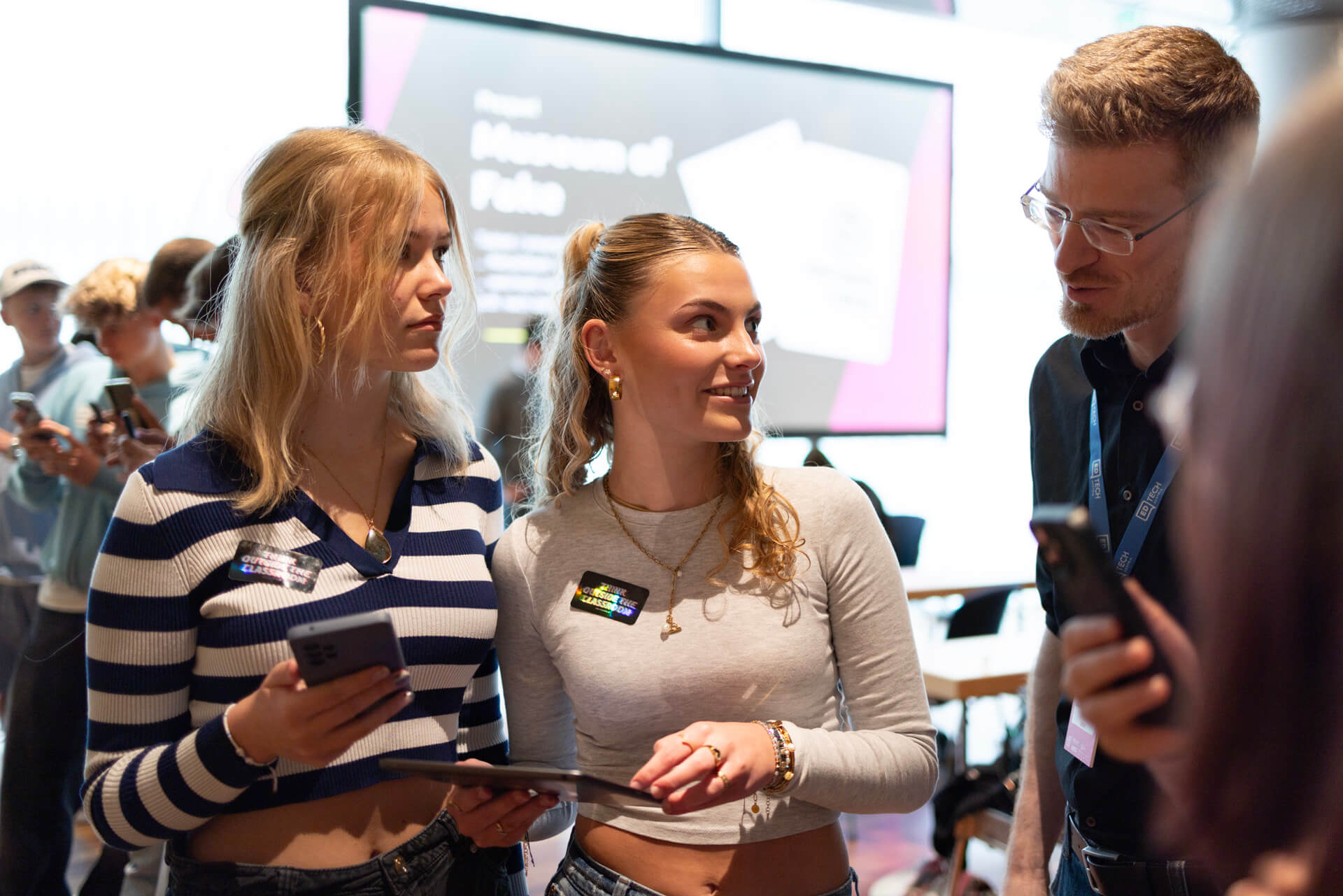
This development was shaped by the collaboration with EdTech Austria in several ways. Through the network, Polycular gained access to key stakeholders such as regional education authorities and university colleges of teacher education. Visibility at trade fairs such as Interpädagogika also enabled the team to test ideas directly with its target audience. Another major milestone was participating in the pilot project for the Marktplatz Lernapps (Learning Apps Marketplace). Within a short period, nearly 300 schools adopted Escape Fake.
“Without EdTech Austria’s advocacy for a central funding model and a shared sales platform, this level of access would hardly have been affordable or manageable for SMEs,” says CEO and Founder Thomas Layer-Wagner. He also emphasises that the network significantly accelerated the development of their products compared to what they could have achieved on their own.
Giving Back: Contributing to the Community
Polycular sees itself as an active member of the ecosystem and contributes accordingly. The team shares its experience through workshops and fellowship programmes, for example on impact measurement in collaboration with research institutions. By participating in summits and events, Thomas and his team also help raise awareness of EdTech as an important economic sector while highlighting its broader societal value. “We want to help young EdTech companies avoid common mistakes. That’s why we’re always happy to share insights into our learning journey and our collaboration models.”
A Community That Drives Growth
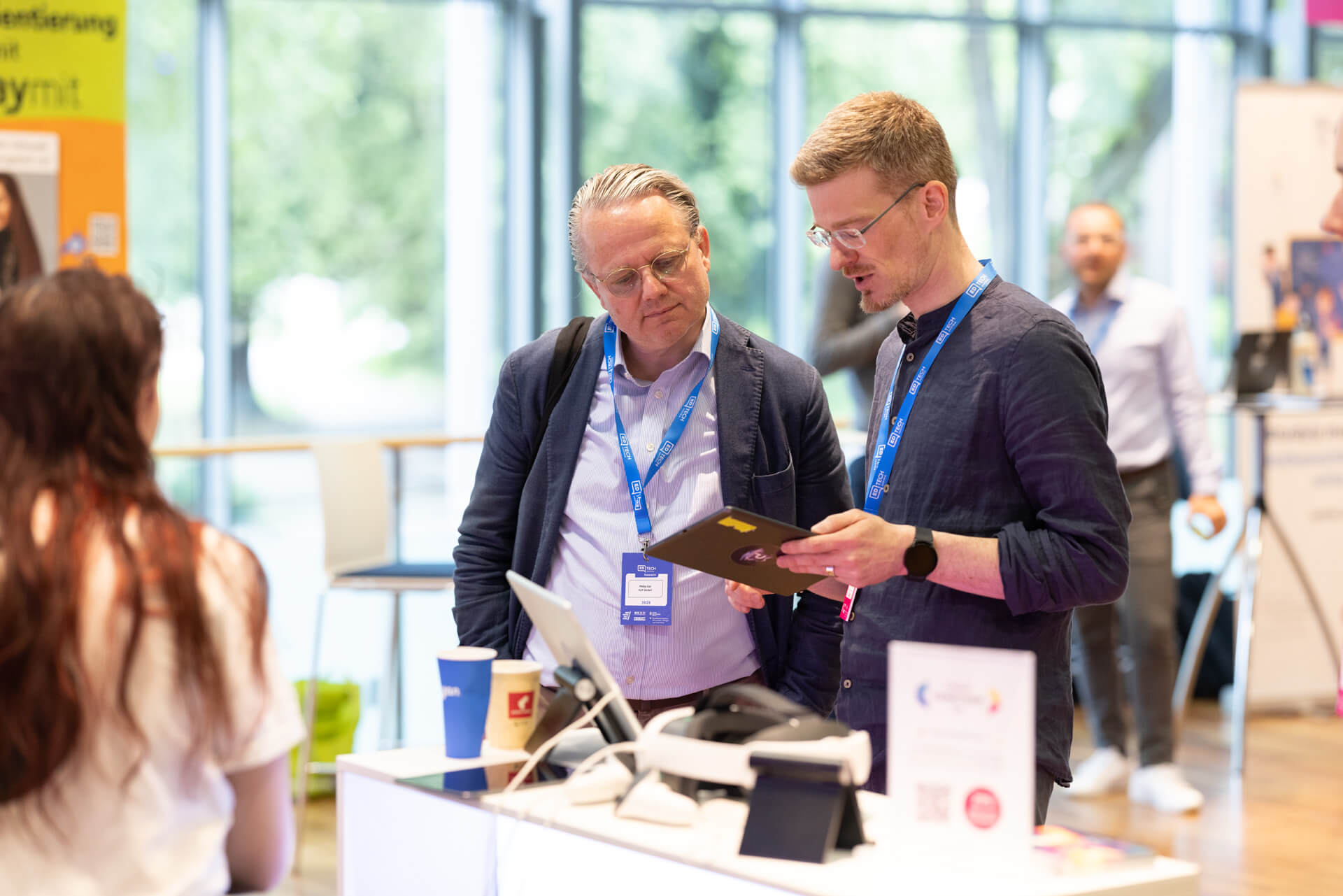
For Thomas, connecting with the right people has been invaluable. “That’s what makes growth possible. In our case, EdTech Austria opened doors to public authorities and schools that are often closed to individual startups.” He also believes that the exchange within the network contributes to the professionalisation of the entire sector.
In times of constant political, social and economic change, having the right companions matters more than ever. Polycular’s journey clearly demonstrates one of EdTech Austria’s greatest strengths: over the years, it has built a strong network with an engaged community that creates momentum and fosters collaboration across the sector. It provides the environment in which technological innovations can evolve into sustainable business models with genuine educational value.
Short Interview with Thomas
How did EdTech Austria help you connect with institutions such as the regional education authority?
EdTech Austria acted as a guide for us. We learned how to communicate professionally and effectively with the regional education authority and how to establish successful collaborations with university colleges of teacher education. Understanding the right processes and knowing the right contacts was essential. Without this knowledge, we would never have received permission to conduct workshops in schools or collect data. For a private company like ours, gaining this access would otherwise have been much more time-consuming and difficult.
You participated in the “INTER-DI-KO” project. How did it contribute to the development of your products?
Through EdTech Austria, we became involved in INTER-DI-KO, a collaboration between Salzburg University of Education, the University of Salzburg and other partners. It provided the perfect opportunity to test Escape Fake within a scientifically supported framework and demonstrate its educational effectiveness through structured data collection in real classrooms. Research collaborations like these significantly strengthen our credibility with teachers and educational decision-makers.
What do you see as the biggest challenges for the future of EdTech in Austria?
Funding remains one of the biggest challenges, particularly the gap between hardware and software. While government initiatives provide schools with devices such as iPads, funding for high-quality educational applications is often missing. Platforms such as the Marktplatz Lernapps are essential for giving schools access to innovative learning content. Without a long-term strategy for software funding, there is a risk of creating a significant gap in the education system—and ultimately becoming dependent on only a few large providers. At the same time, future educational products will increasingly need to demonstrate their effectiveness through scientific evidence.

More articles
The following articles might also interest you.
Stronger together
17. September 2026

“The Digital Backlash is a Phase of Disillusionment”
13. July 2026

Digital Backlash: “Too Many Products Fail to Deliver on Their Promises”
13. July 2026

Digital Roadshow: Learning Apps Marketplace
22. June 2026

SURFjobs brings career guidance into a short-video format
3. April 2026